June 8, 2026
In recent years, the trend of installing metal roofs in residential homes has gained significant popularity among homeowners. Known for their durability and energy efficiency, these systems present a compelling choice for property owners looking to invest wisely in their long-term comfort. This article delves into the structural advantages and disadvantages of metal roofing to help you decide if it is the right path for your property.
The decision to commit to a new roof extends far beyond basic aesthetics. It requires thoughtful consideration of numerous regional factors that can impact your overall satisfaction with the final project. By exploring the key benefits, potential drawbacks, and vital cost considerations of modern roof installations, you can make an informed decision that aligns with your specific household needs.
Durability and Longevity
One of the standout features of metal roofing is its exceptional durability and structural longevity. Unlike traditional roofing materials that require replacement every few decades, a metal surface can endure for generations. According to HomeGuide, properly installed and maintained metal roofs last 30 to 80 years. This extreme longevity minimizes the disruption of frequent renovations and translates to considerable long-term savings for families.
The robust nature of metal allows it to withstand harsh regional weather conditions, including heavy snowfall and high winds. This resilience makes premium metal a highly appealing choice for homeowners living in areas prone to extreme seasonal storms. Furthermore, many modern metal products are treated to resist rust and corrosion, ensuring the system remains completely dependable over time.
Another important dimension of its durability is its complete resistance to localized pest infestations. Traditional materials like wood shingles are highly susceptible to damage caused by termites, boring insects, and standard rotting. In contrast, metal does not provide a viable habitat for pests, helping protect your structural integrity and reducing overall maintenance stress.
Energy Efficiency
Metal surfaces are highly regarded for their energy efficiency, which often leads to substantial savings on annual utility bills. One of the key factors contributing to this efficiency is the natural reflectivity of the material, which bounces solar radiant heat away from the building rather than absorbing it. This thermal quality helps maintain a much cooler indoor environment during hot summer months, reducing the constant demand on your air conditioning unit.
In addition to their reflective properties, these modern systems can be integrated with advanced insulating layers to enhance thermal performance. These specialized layers minimize heat transfer, keeping your living space comfortable during freezing weather while retaining cool air in the summer. This dual capability ensures that homeowners enjoy reliable, year-round temperature regulation without overworking their heating systems.
Furthermore, metal surfaces offer excellent compatibility with residential solar panel systems. Combining a durable metal foundation with solar technology maximizes your long-term environmental and financial savings by efficiently harnessing renewable energy. This synergy allows proactive property owners to reduce their dependence on conventional power grids while supporting sustainable living practices.
Fire and Hazard Resistance
Metal panels are prized for their excellent fire-resistance properties, providing a critical layer of safety for residential neighborhoods. Because metal is inherently non-combustible, it significantly reduces the risk of your home catching fire from airborne sparks or nearby wildfires. This protective feature is exceptionally valuable for homes situated in dry climates where seasonal fires present a constant threat to residential areas.
This natural safety profile is often reinforced with specialized fire-rated underlayment during professional roof installations. This protective underlayment acts as a reliable barrier, preventing stray embers from reaching the sensitive wooden framework of the house. This level of defense grants homeowners peace of mind, knowing their families are shielded by an extra layer of structural protection.
Additionally, choosing non-combustible materials can positively influence your long-term homeowner insurance policies. Many insurance companies offer reduced monthly premiums for homes equipped with fire-resistant materials because the likelihood of severe damage claims is minimized. Mitigating these hazards through accurate material selection can yield impressive financial dividends over the years.
Aesthetic Variety and Style
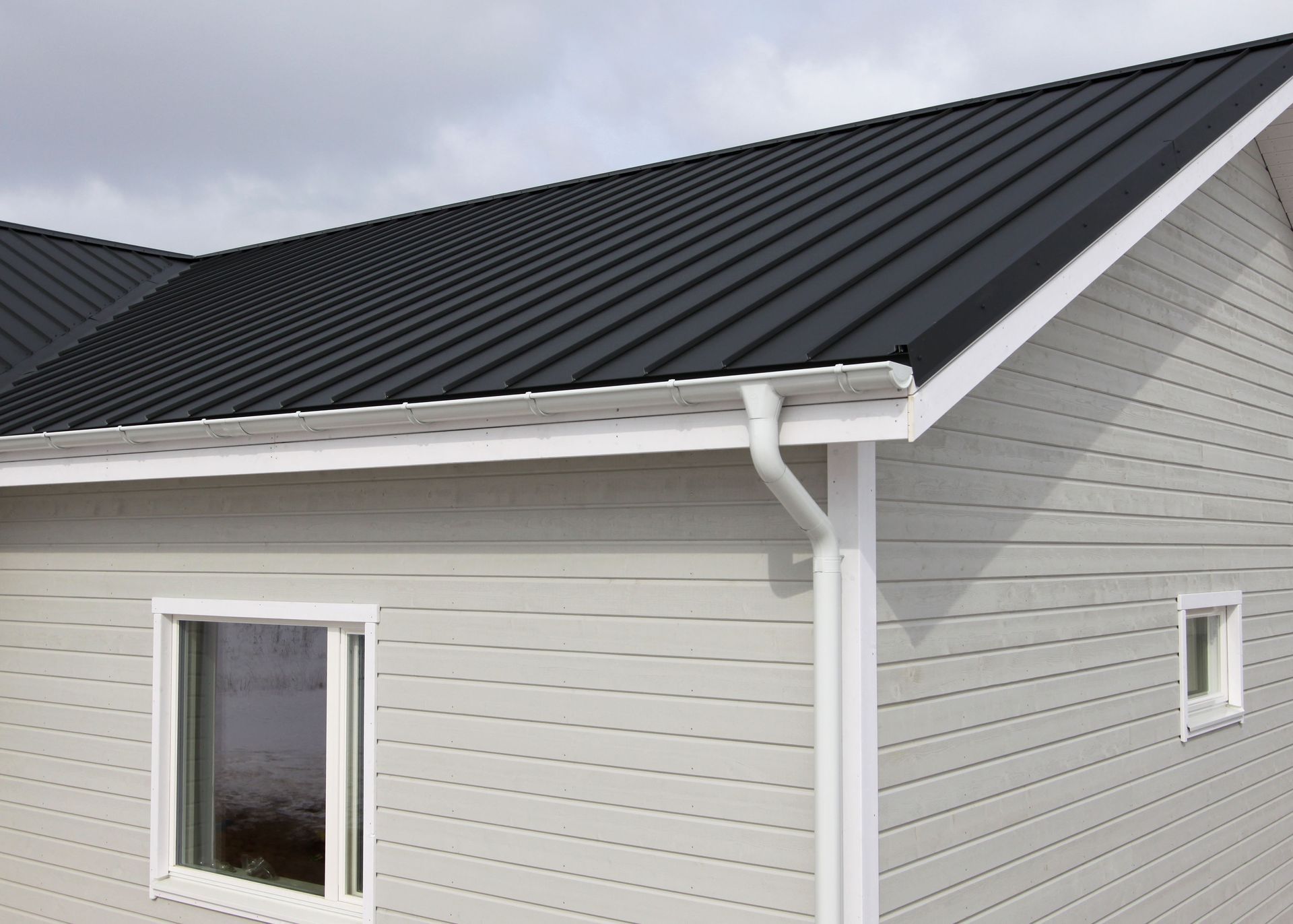
Contrary to common misconceptions, modern metal options offer a diverse range of styles suitable for any architectural design. Manufacturers now produce panels in an array of custom colors, finishes, and profiles that accurately mimic traditional materials like slate, tile, or wood shakes. This versatility enables you to capture a specific historic look without compromising the material benefits of a metal system.
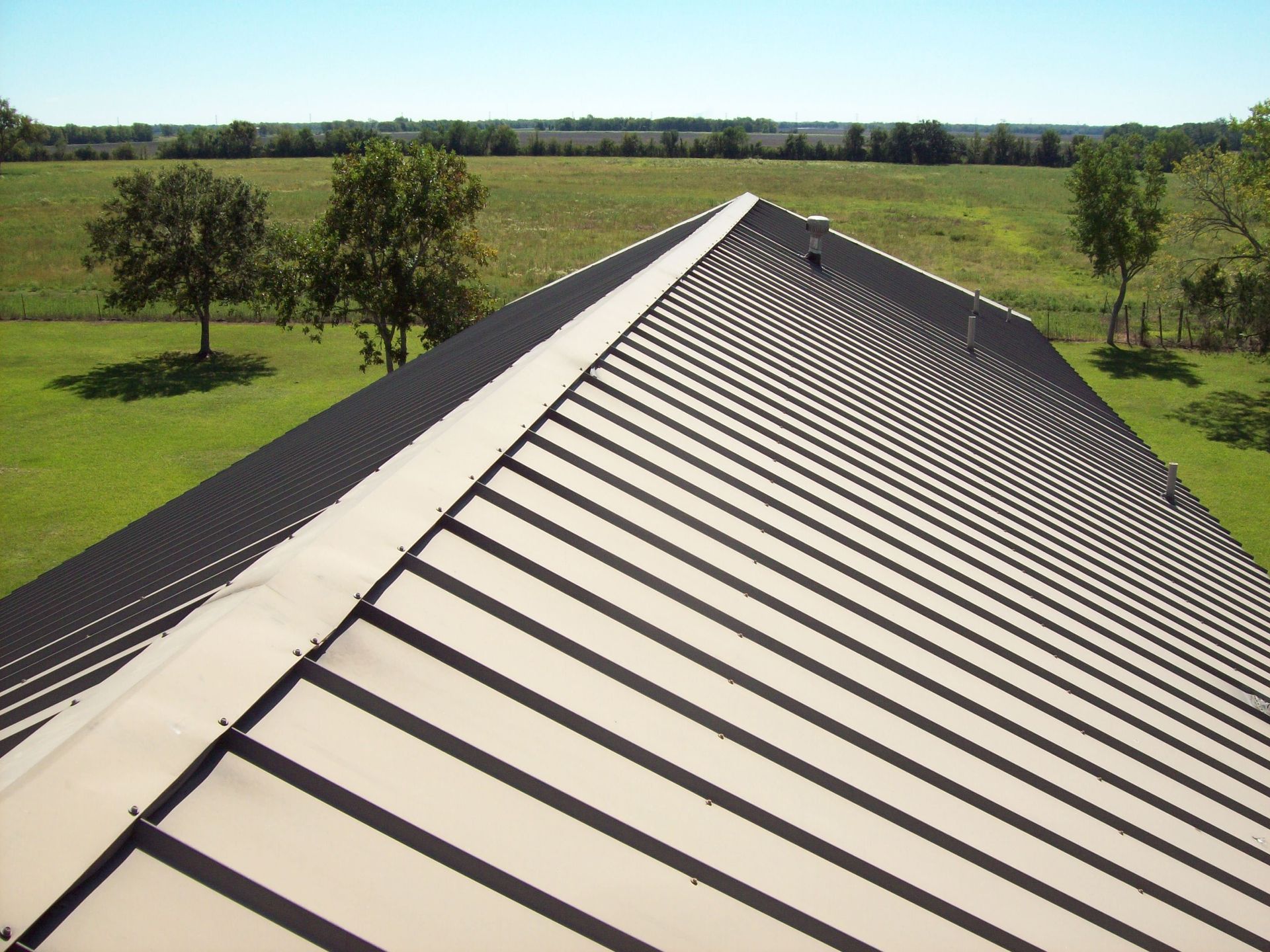
The wide array of textures ensures that every homeowner can find a design that complements their personal taste. From sleek, contemporary standing seams to classic contoured shapes, metal adapts beautifully to diverse stylistic visions. This remarkable adaptability means your new roof can seamlessly blend into established neighborhoods while still elevating your property's curb appeal.
Advanced protective coatings also ensure long-term color retention and excellent anti-fade resistance. This means your home will maintain its pristine, freshly painted appearance for decades despite constant exposure to harsh UV rays. Ultimately, this aesthetic diversity offers a compelling case for design-conscious individuals seeking both functional strength and visual beauty.
Initial Investment
Despite the numerous benefits, it is crucial to acknowledge the potential financial drawbacks, beginning with the upfront installation cost. The initial capital required for premium metal materials and specialized labor typically exceeds that of standard asphalt options. This higher upfront commitment can pose a significant challenge for property owners operating within a strict or limited home renovation budget.
Several variables contribute to this elevated price tag, including the premium grade of the metals and the complexity of the custom flashing. Specialized trims, ventilation accessories, and durable fasteners add to the project expenses in ways not seen with simpler materials. Homeowners must carefully evaluate whether the long-term lifestyle benefits justify this substantial initial financial outlay.
However, it is beneficial to view quality roof installations as long-term structural investments rather than short-term expenses. While the initial bill is higher, the extended lifespan and lack of frequent repairs mean you likely will not pay for another replacement. Over forty or fifty years, this initial expenditure frequently proves to be more economical than replacing cheaper roofs multiple times.
The Noise Factor
Another concern for potential buyers is the potential noise level associated with hard metal surfaces during heavy downpours. During intense rainstorms or hail events, the sound of water hitting the metal panels can be noticeably louder than it is on softer asphalt. For some individuals, this auditory feedback can be distracting if the home lacks adequate acoustic protection.
Fortunately, professional contractors can implement effective soundproofing measures to drastically reduce these unwanted disturbances. Integrating thick insulation layers directly beneath the metal panels works beautifully to absorb vibrations and dampen external noise. Utilizing solid wood decking underneath the system further controls sound, ensuring a quiet interior environment even during turbulent storms.
Long-Term Management Considerations
When planning professional roof installations, it helps to review the complete lifecycle costs of your chosen material. While asphalt options are cheap to put up, they require frequent shingle replacements, leak repairs, and algae treatments over time. Metal avoids most of these common headaches because it does not rot, warp, or tear away during high-wind events.
Routine upkeep for a metal system generally involves basic visual inspections and periodic gutter cleanings. Homeowners simply need to ensure that local debris is cleared away and that protective sealants around vents remain intact. This minimal maintenance requirement saves you from the recurring labor expenses that typically burden owners of alternative roofing materials.
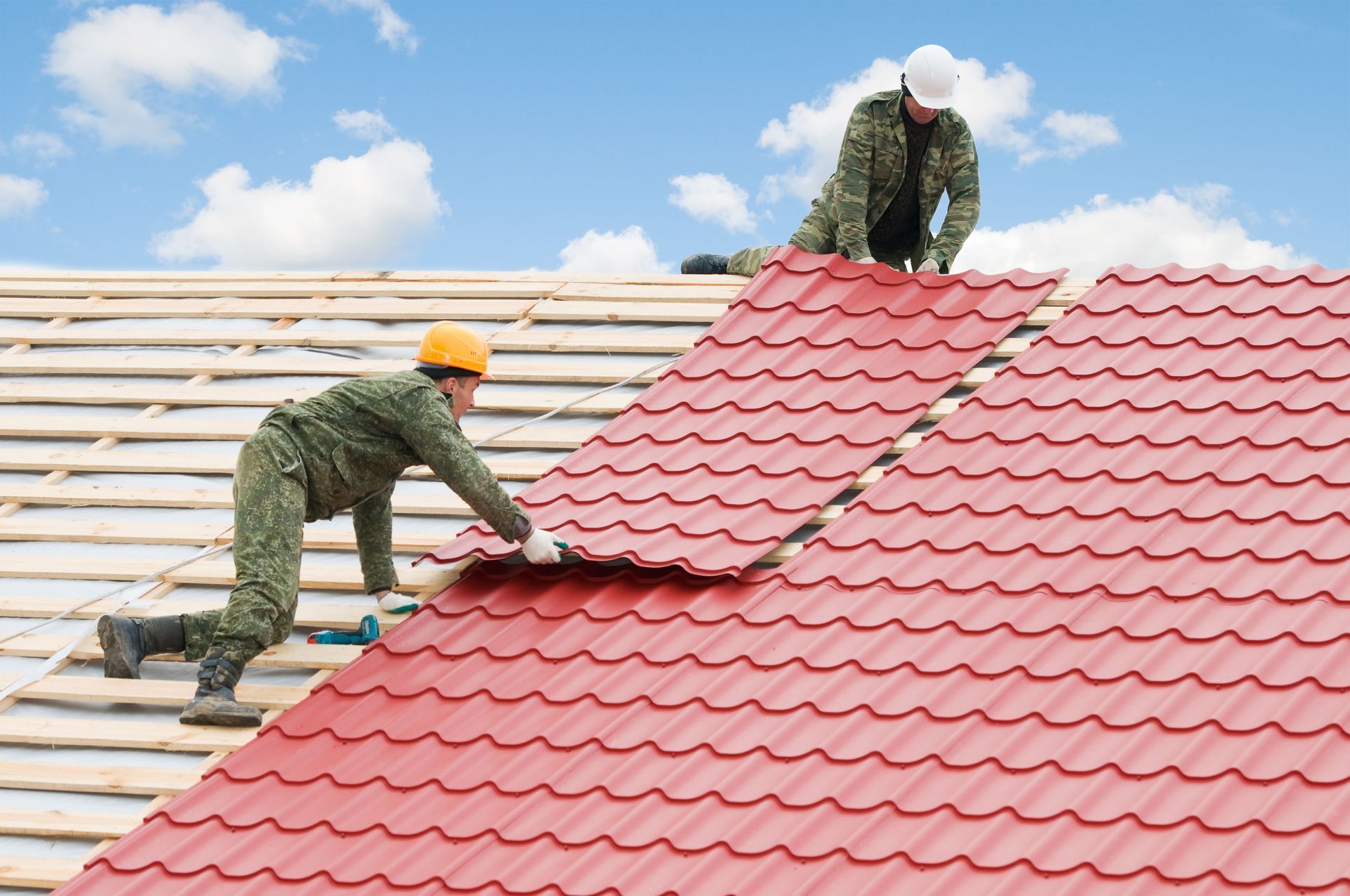
Ultimately, selecting the right team for your roof installations will dictate the performance and lifespan of your new asset. Experienced metal contractors understand how to properly balance thermal expansion, manage moisture barriers, and secure fasteners perfectly. Prioritizing qualified local expertise ensures your investment remains completely weatherproof, energy-efficient, and structurally sound for decades to come. For more information, contact B&D Architectural Metals LLC.