October 9, 2026
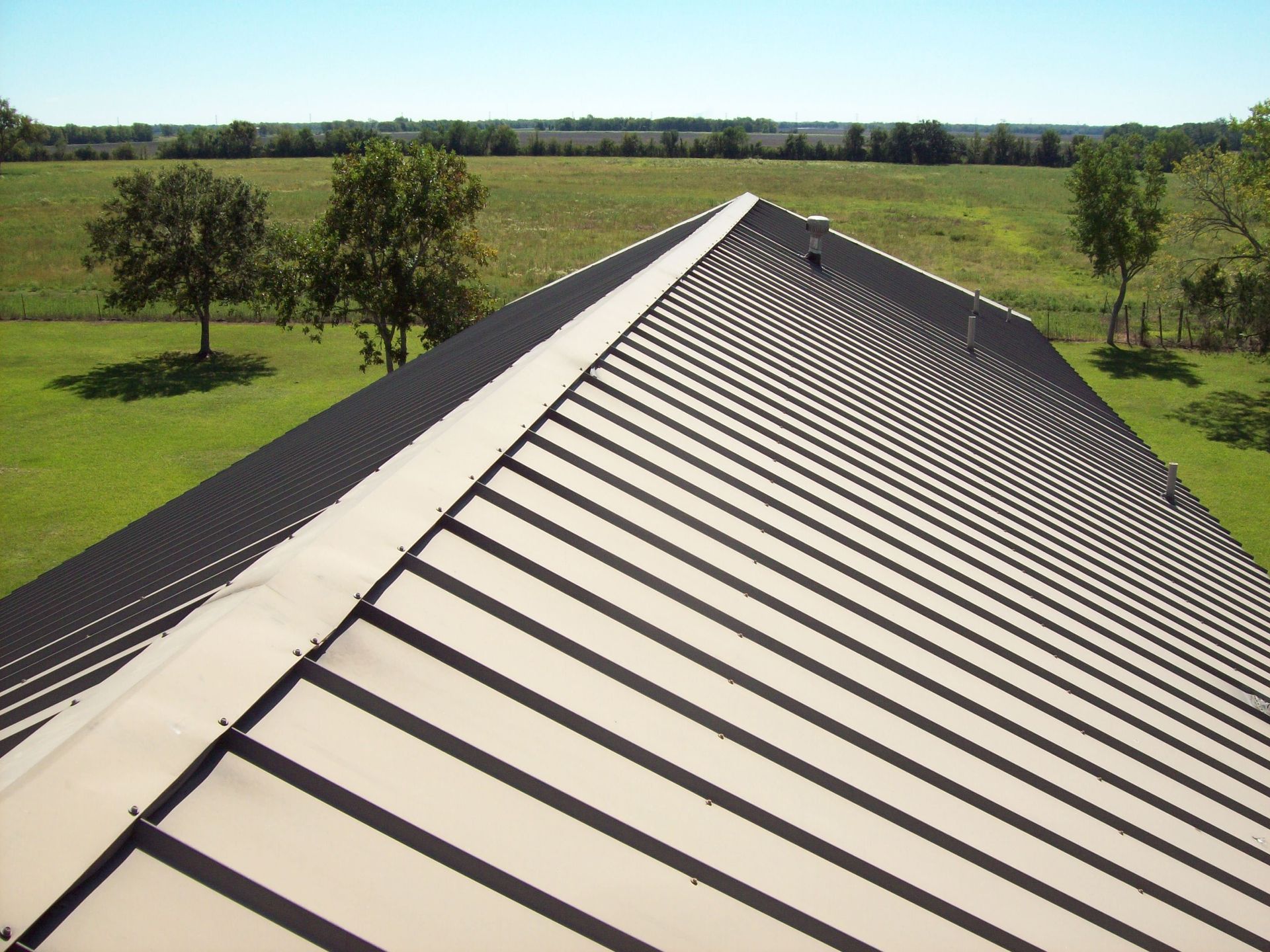
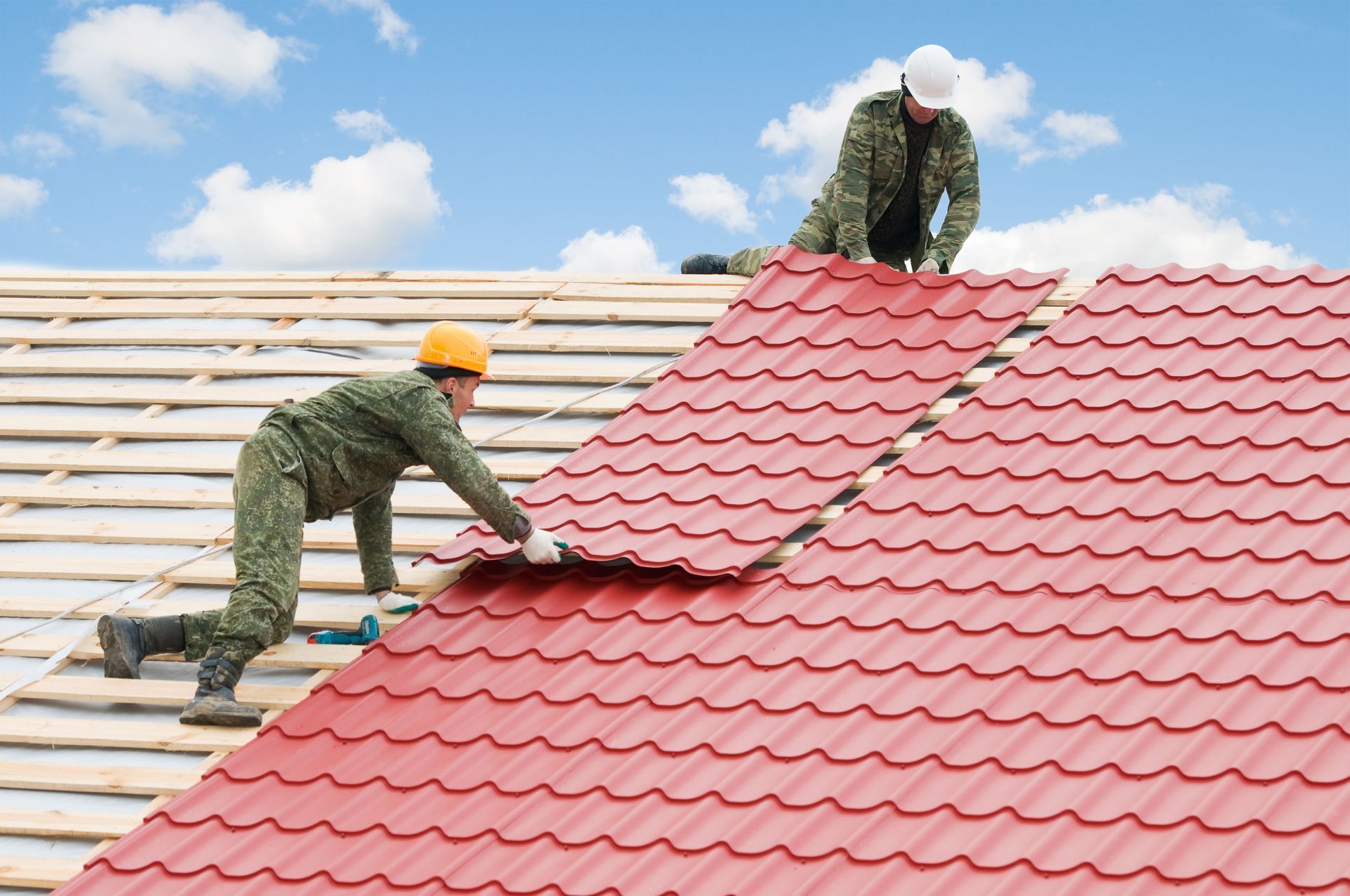
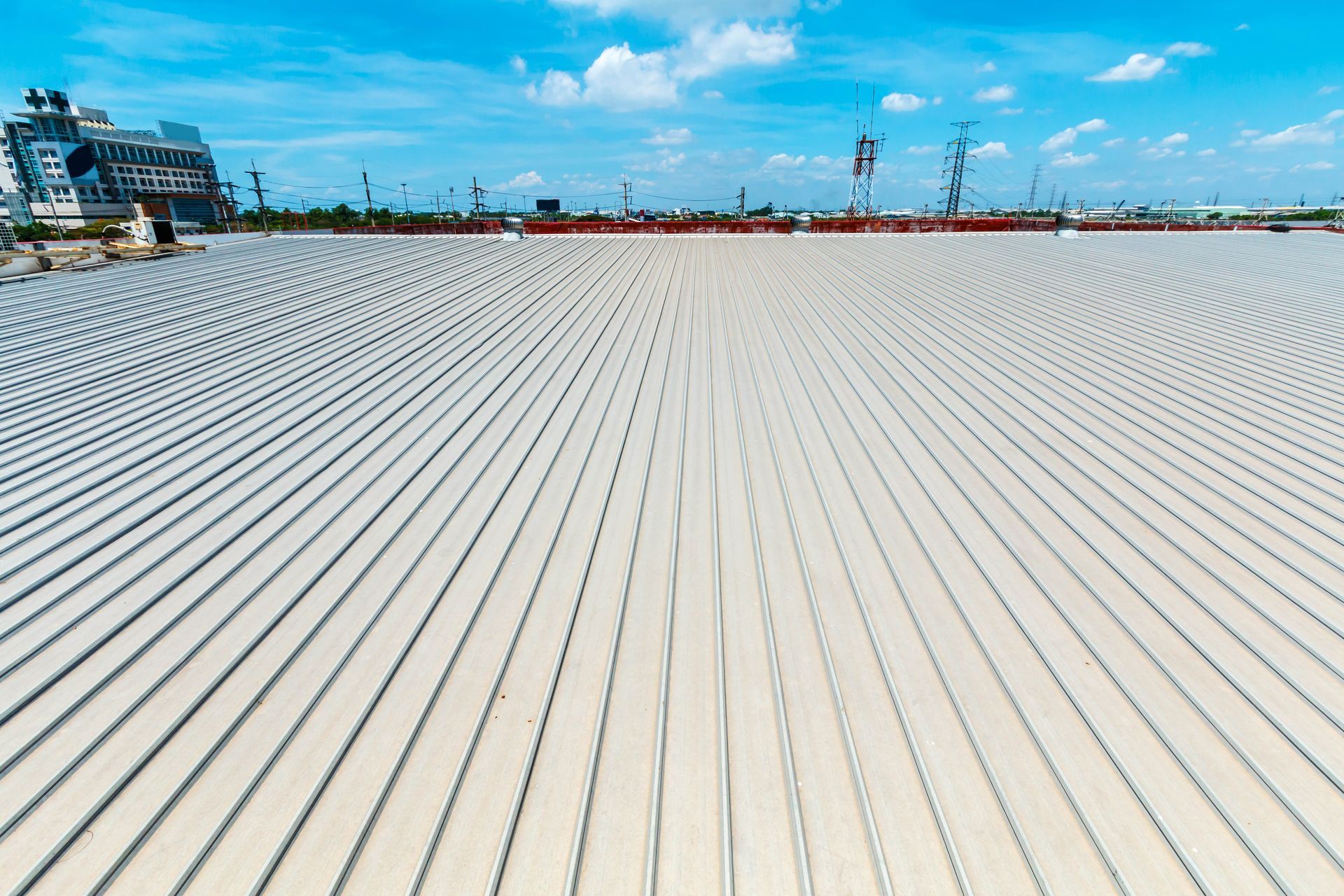
Metal roofing has become an increasingly popular option for property owners who want an exterior system designed for long-term performance. Unlike roofing materials that may require replacement after relatively short service periods, metal can provide decades of dependable coverage when the system is properly selected, installed, and maintained. A professional roof installation establishes the foundation for that longevity by coordinating the roofing material with the building, climate, drainage, and structural requirements. Understanding the long-term advantages of metal roofing can help homeowners make informed decisions about a major exterior investment.
Extending Roof Service Life
Longevity is one of the primary reasons homeowners consider metal roofing. According to This Old House, metal roofs can remain in service for 50 years or more when they receive proper installation and maintenance. That potential service life makes metal roofing a consideration for homeowners who want to reduce the frequency of major roof replacement projects. Professional roof installation is important because the performance of even durable materials depends on appropriate preparation, fastening, flashing, and system design.
A long-lasting roof can also provide continuity for the property. Homeowners who plan to remain in their homes for many years may appreciate having a roofing system designed around extended service rather than short replacement cycles. The specific lifespan of a metal roof can vary according to material, environment, workmanship, maintenance, and other conditions. Professional evaluation helps account for those factors when planning the project.
Improving Weather Resistance
A roof must withstand changing weather throughout the year, including rain, wind, sunlight, and temperature fluctuations. Metal roofing is valued for its ability to perform in a range of outdoor conditions, making it an option for properties exposed to demanding weather patterns. Professional roof installation helps ensure that panels, seams, flashing, edges, and other components are coordinated to form an effective roofing system.
Weather resistance also depends on the roof's overall design rather than the panels alone. Water must be directed toward appropriate drainage points, while penetrations and transitions require careful attention. Professional installers can account for these details during planning and installation. A properly coordinated system can help the roof perform consistently as outdoor conditions change.
Reducing Routine Maintenance Demands
Metal roofs are often selected because they can require relatively little ongoing maintenance compared with some other roofing materials. That does not mean a metal roof should be ignored after installation. Periodic professional inspections can help identify changes around seams, flashing, fasteners, drainage components, and other areas that influence performance.
Professional roof installation can also establish a sound foundation for future maintenance. When the system is properly assembled from the beginning, maintenance professionals have a clearer understanding of how the roof components are intended to work together. Addressing developing concerns before they become extensive can help preserve the roofing system over time. Regular attention can therefore complement the material's inherent durability.
Supporting Energy Performance
Metal roofing can also contribute to the overall performance of a home's exterior. Depending on the selected product, coating, color, ventilation design, and other factors, a metal roof may help manage how much solar energy the roof surface absorbs. These characteristics can be relevant when homeowners are considering improvements that affect the property's energy performance.
The roof should be considered as part of the complete building envelope rather than as an isolated surface. Attic ventilation, insulation, air movement, and other components can influence how the property responds to outdoor temperatures. A professional roof installation can be planned alongside these considerations so that the new roofing system works appropriately with the existing structure. This coordinated approach can support the broader performance goals of the property.
Preserving Exterior Appearance
A roof occupies a large portion of a home's visible exterior, so its appearance can influence the character of the entire property. Metal roofing is available in different profiles, finishes, colors, and material types, giving homeowners opportunities to coordinate the roof with architectural features and exterior finishes. Selecting an appropriate design can provide a finished appearance that complements the home's style.
Professional installation also contributes to visual consistency. Straight panel alignment, carefully finished edges, properly integrated flashing, and coordinated transitions can affect how the completed roof looks from the ground. Experienced installers can account for these details while focusing on the technical requirements of the roofing system. The result can be an exterior that combines functional performance with a cohesive appearance.
Protecting Against Moisture Intrusion
Water management is central to roof performance because persistent moisture can affect roofing materials and underlying components. Metal panels are designed to shed water, but the complete roofing assembly must also manage transitions, valleys, penetrations, edges, and drainage paths. Professional roof installation addresses these areas as part of a coordinated system instead of focusing only on the visible roofing panels.
Flashing is particularly important around areas where the roof meets chimneys, vents, walls, or other penetrations. Seams and fasteners also need appropriate consideration based on the selected metal roofing system. Professional installation can help establish these connections accurately and reduce conditions that could contribute to moisture-related problems. Proper water management is an important part of maintaining long-term roof performance.
Accommodating Architectural Designs
Metal roofing can work with a variety of residential and commercial architectural styles. Standing seam systems, metal shingles, panels, and other profiles can create different visual effects while providing the functional characteristics associated with metal roofing. This versatility allows homeowners to consider both performance and appearance when planning an exterior upgrade.
Complex rooflines can require particularly careful planning. Multiple slopes, valleys, dormers, penetrations, and transitions create additional points where materials must be coordinated. Professional roof installation can account for these architectural features during layout and fabrication. Careful planning helps the roofing system follow the structure while maintaining appropriate drainage and finished detailing.
Supporting Long-Term Property Planning
A durable roofing system can become part of a broader strategy for maintaining a property over many years. Homeowners may be coordinating roofing work with exterior renovations, additions, energy improvements, or other construction projects. Choosing a long-service material can help align the roof with those longer-term plans. Professional consultation can clarify how the roofing system may interact with current and future improvements.
The value of longevity is also connected to consistency. Replacing a roof is a significant property project that involves planning, scheduling, material selection, and installation. A metal roof designed for extended service can reduce how frequently homeowners need to undertake that type of major project. While no roofing material is immune to weathering or damage, appropriate installation and maintenance can help maximize the useful life of the system.
Planning Material Selection Carefully
Material selection should also account for the property's setting and the roof's design. B&D Architectural Metals LLC can consider these factors when developing a roof installation plan, helping align the selected metal system with the structure, exterior design, and expected environmental exposure. Careful planning can help ensure that material characteristics correspond with the property's needs.
Choosing metal roofing is a decision that involves more than selecting a durable material. The roof's design, substrate, drainage, flashing, ventilation, fastening, and installation quality all contribute to how the finished system performs. A professional roof installation brings these elements together while accounting for the property's specific structure and roofing requirements.
B&D Architectural Metals LLC can help property owners plan and install metal roofing systems with long-term performance in mind. Our team can discuss available metal roofing options, evaluate the needs of your property, and coordinate the details required for a properly installed system. Contact B&D Architectural Metals LLC to discuss your roofing project and learn how a professionally installed metal roof can provide durable exterior protection for years to come.