July 30, 2026
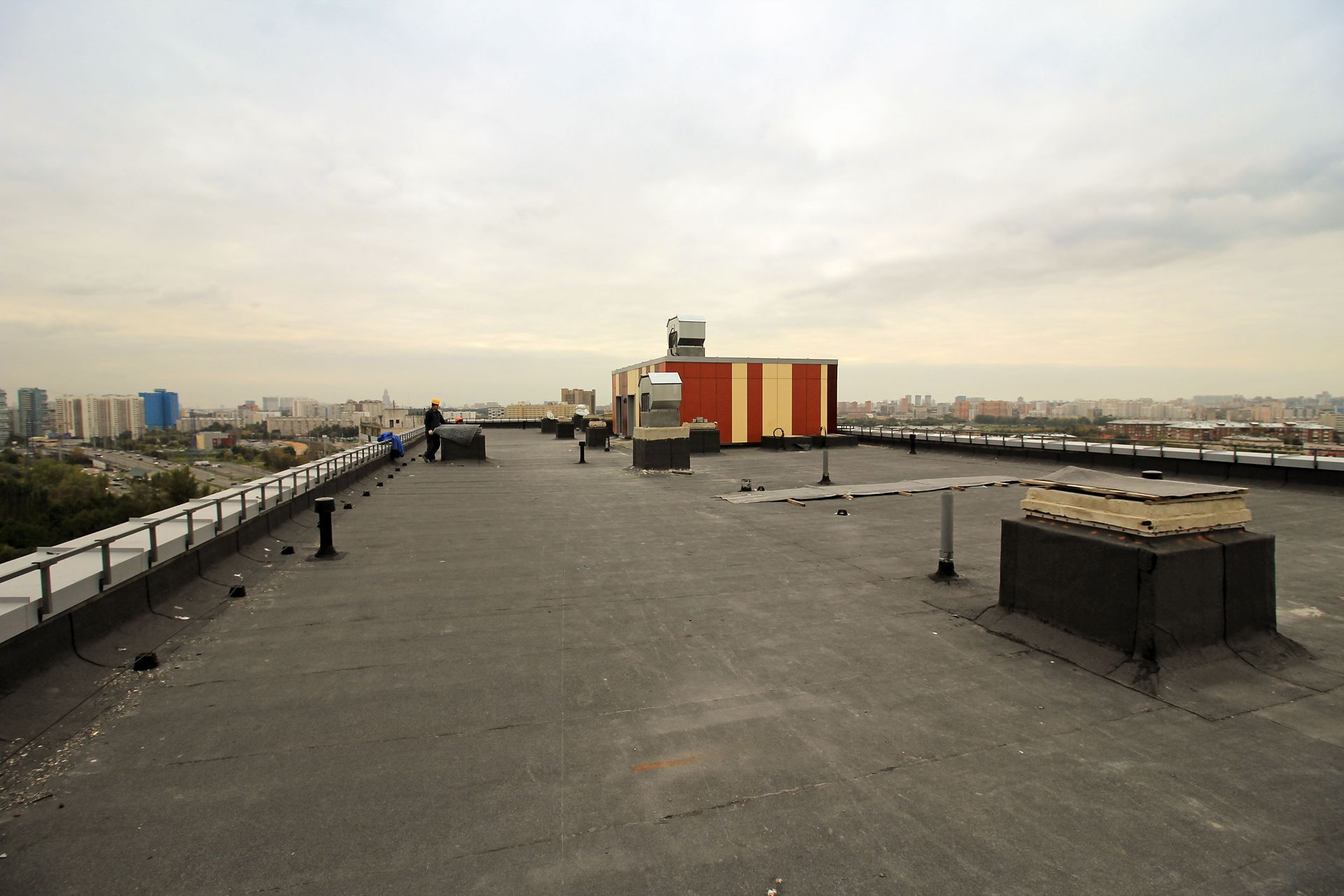
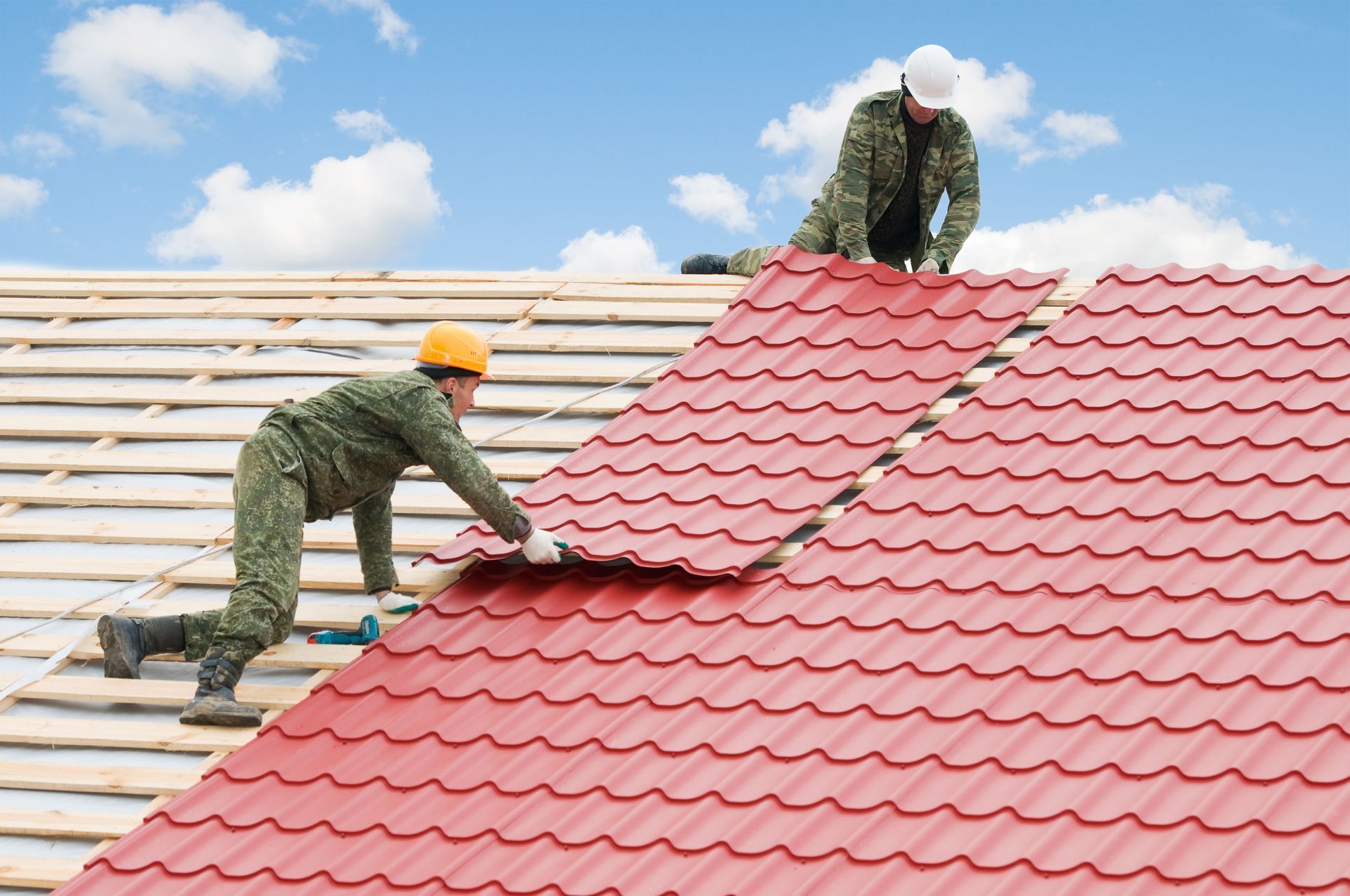
Managing monthly utility expenses requires a thorough understanding of how building materials, thermal insulation, and reflective coatings impact indoor climate control. Flat roofing systems face intense solar radiation, continuous weather exposure, and standing water, making proper material selection and routine maintenance critical for energy efficiency. Outdated or damaged roof assemblies absorb immense radiant heat during warm months, forcing air conditioning systems to operate constantly at peak capacity. Partnering with professional contractors allows property owners to optimize thermal performance, install high-efficiency membranes, and minimize unwanted heat transfer through the building envelope. Utilizing specialized flat roofing services helps lower utility bills while extending overall roof service lifespans.
Optimizing Reflective Cool Roof Membrane Installations
Single-ply thermoplastic membranes, such as TPO and PVC, feature bright white reflective surfaces designed to bounce solar energy away from buildings before heat penetrates interior spaces. Standard dark asphalt surfaces absorb intense thermal energy, transferring radiant heat downward into living areas and driving up indoor air conditioning costs significantly. Engaging expert flat roofing services allows property owners to replace heat-absorbing materials with highly reflective cool roof membranes. White thermoplastic membranes bounce up to eighty percent of solar radiation back into the atmosphere, maintaining significantly cooler surface temperatures. Installing reflective roof membranes drastically reduces cooling loads, lowers peak electricity demands, and keeps interior spaces comfortable during hot summer months.
Upgrading Sub-Roof Board Insulation R-Values
Insulation layers installed beneath flat roof membranes serve as the primary barrier preventing indoor heat from escaping during winter while blocking solar heat ingress during summer. Over time, compressed or wet insulation loses its resistance to heat flow, creating severe thermal bridges that waste expensive heating and cooling energy daily. Scheduling comprehensive flat roofing services enables contractors to replace outdated sub-roof insulation with high-performance polyisocyanurate or rigid foam boards. Increasing total R-value thickness minimizes heat transfer across roof decks, reducing HVAC workload and stabilizing indoor temperatures year-round. Investing in superior insulation board upgrades prevents unnecessary energy waste, delivering noticeable utility bill savings through every season.
Comparing Standing Seam Metal and Asphalt Systems
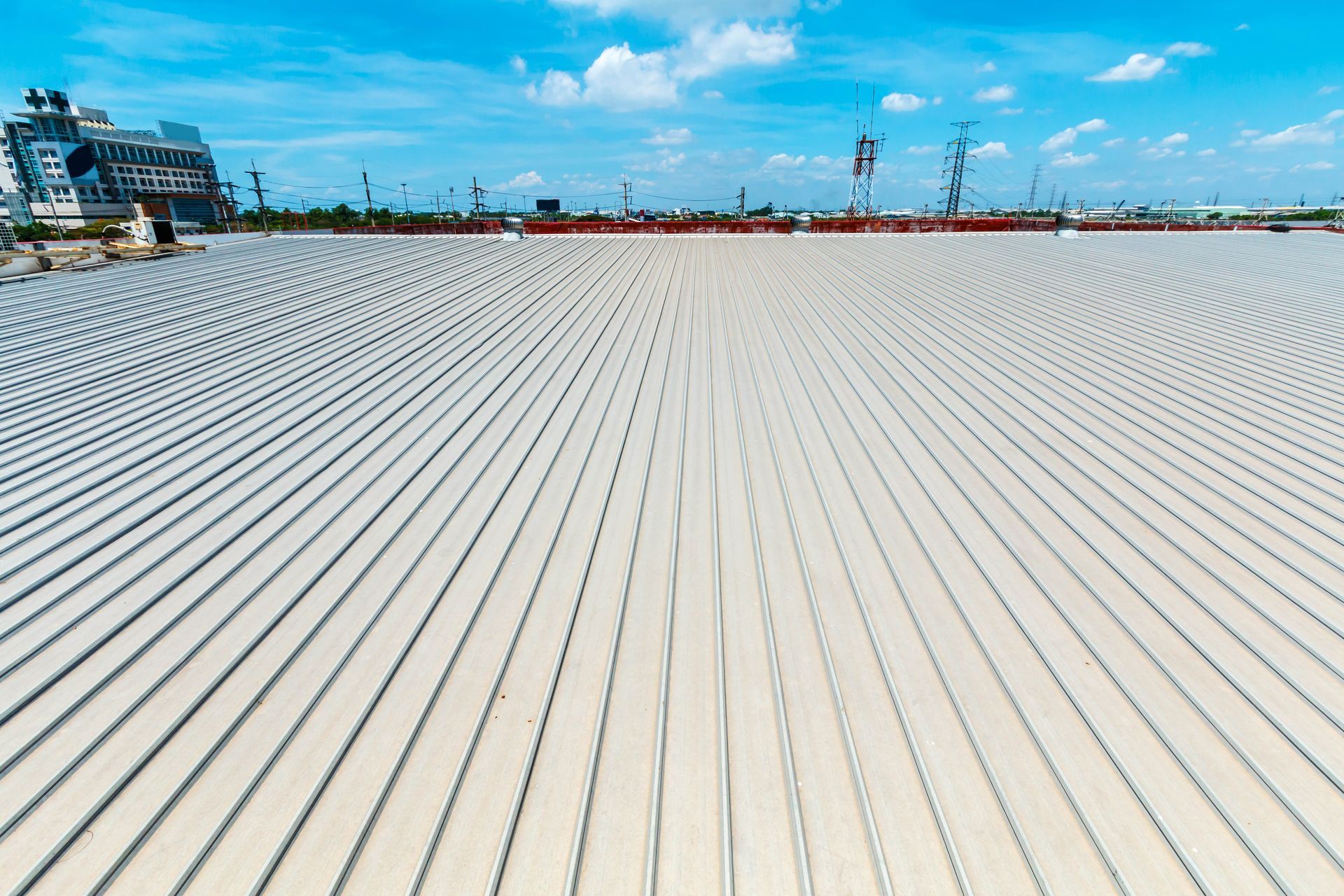
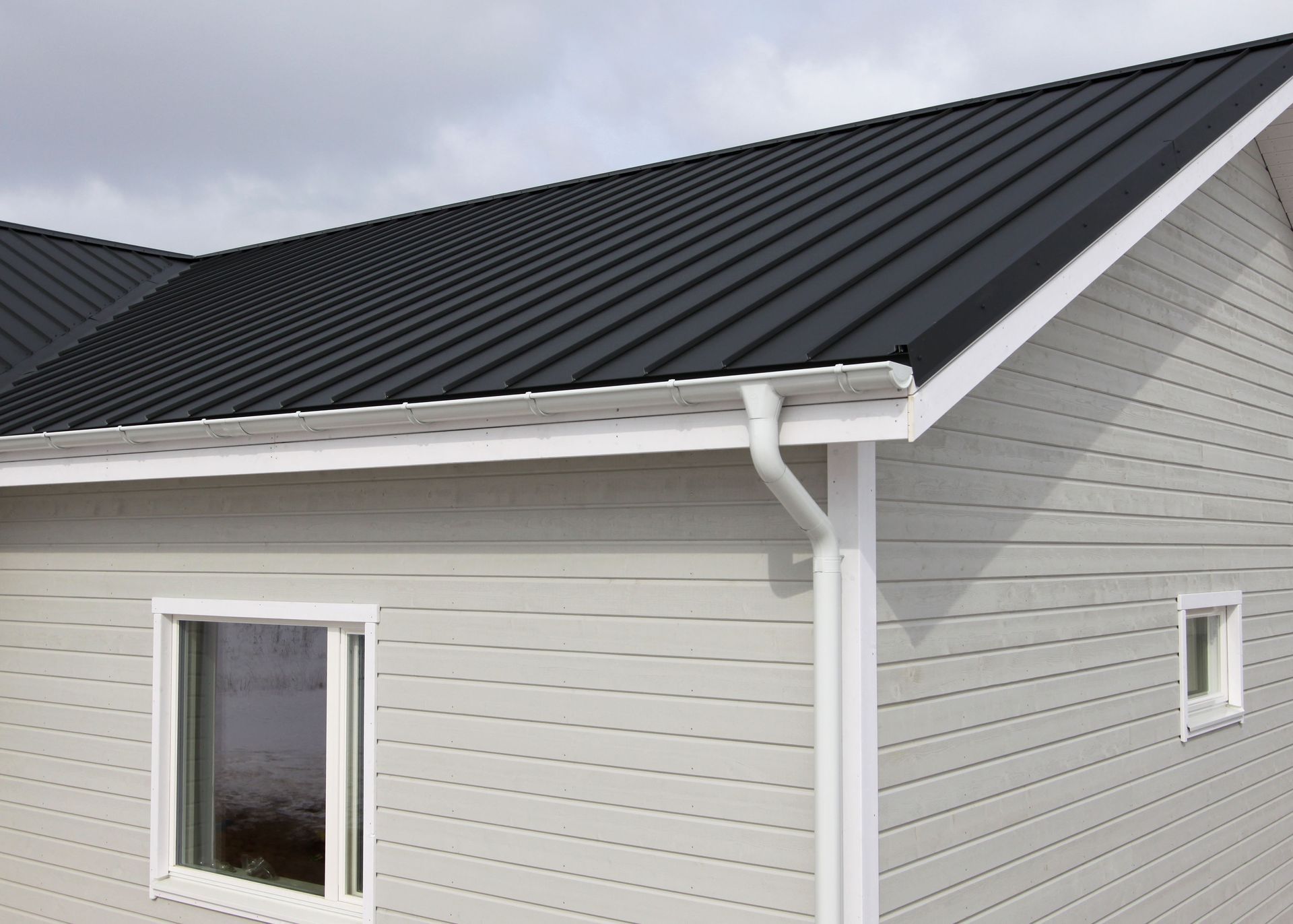
Selecting durable roofing materials requires evaluating solar reflectance, thermal conductivity, and long-term energy performance across different flat or low-slope architectural options. While traditional built-up asphalt roofs trap heat, standing seam metal systems reflect solar radiation efficiently, keeping underlying structural decks significantly cooler throughout sunny afternoon hours. According to HomeGuide, metal roofs can reduce attic temperatures by 50 to 60 degrees Fahrenheit compared to asphalt shingles. Consulting professional flat roofing services helps building owners select energy-efficient metal assemblies tailored to low-slope structures. Lowering sub-roof temperatures prevents thermal heat from seeping into interior spaces, protecting mechanical equipment and lowering monthly energy expenses.
Sealing Air Leaks and Structural Thermal Bridges
Unsealed roof penetrations around HVAC curbs, skylights, drain basins, and perimeter parapet walls allow conditioned indoor air to leak out continuously while letting hot outdoor air inside. Air infiltration forces HVAC compressors and heating furnaces to run longer cycles to maintain target thermostat settings, wasting substantial amounts of electricity and fuel. Hiring certified flat roofing services ensures that every roof seam, flashing detail, and mechanical curb receives airtight sealant applications and continuous flashing membranes. Sealing envelope gaps stops air migration through roof structures, preserving internal climate control. Eliminating air leaks optimizes HVAC efficiency, reduces mechanical wear, and curbs monthly operational costs.
Eliminating Wet Insulation and Moisture Traps
Trapped water beneath flat roof membranes ruins thermal insulation performance because wet insulation conducts thermal heat up to twenty times faster than dry insulating materials. Rainwater entering through hairline membrane tears saturates sub-roof insulation boards, creating permanent thermal shorts that drain heating and cooling energy continuously out of buildings. Utilizing diagnostic flat roofing services allows technicians to perform infrared moisture surveys, pinpointing saturated sub-roof areas for targeted removal before structural rot develops. Replacing waterlogged insulation restores baseline R-values and prevents hidden energy losses across affected roof decks. Keeping insulation completely dry maintains thermal efficiency, lowering energy bills while preserving structural building components.
Preventing Thermal Shock Through Solar Coatings
Extreme daily temperature fluctuations cause flat roof membranes to expand rapidly under hot afternoon sun and contract quickly during cold nighttime hours. This continuous thermal movement causes severe stress on membrane seams, leading to premature splitting, seam failure, and accelerated material degradation that ruins building thermal efficiency. Applying reflective elastomeric roof coatings through professional flat roofing services creates a protective thermal shield that stabilizes membrane surface temperatures dramatically throughout the day. Lowering surface temperature swings reduces thermal stress on structural assemblies, keeping seam seals intact and preventing air leaks. Protective solar coatings extend roof lifespans while maintaining high energy efficiency levels.
Integrating Green Vegetative Roof Cover Assemblies
Vegetative green roof systems replace bare roofing membranes with engineered soil layers and living vegetation, providing natural thermal mass and evaporative cooling benefits across flat roof surfaces. Plants absorb solar energy for photosynthesis while shading underlying roof structures, preventing solar heat from penetrating top building decks altogether during hot summer months. Consulting experienced flat roofing professionals helps property owners evaluate structural load capacities and install specialized waterproof root barriers for green roof installations. Vegetative layers cool ambient air through evapotranspiration, reducing urban heat island effects and interior air conditioning requirements. Adding vegetative roofing systems transforms unused roofs into energy-saving, eco-friendly architectural assets.
Improving Drainage Slopes to Avoid Thermal Storage
Pooling water sitting on flat roof surfaces acts as a giant heat sink, absorbing ambient solar radiation and transferring stored heat down through underlying structural decks long after sunset. Standing water also breaks down protective membrane coatings, leading to premature leaks, saturated insulation, and severe thermal energy losses over time. Utilizing specialized flat roofing professionals allows contractors to install tapered insulation schemes that create positive drainage slopes toward roof drains and scuppers. Eliminating standing water hazards prevents thermal heat storage on roof surfaces, allowing buildings to cool down rapidly during evening hours. Proper slope design protects membrane integrity while optimizing energy performance.
Calibrating Roof Ventilation and HVAC Intake Air
Flat roofs housing rooftop HVAC units directly impact mechanical cooling efficiency through the temperature of the ambient air surrounding outdoor compressor intake coils. Dark, uninsulated roof surfaces heat surrounding air to extreme temperatures, forcing rooftop AC units to work significantly harder to cool incoming air streams during summer peak hours. Implementing comprehensive flat roofing professionals allows building managers to pair reflective cool roof membranes with optimized HVAC curb insulation and intake placement strategies. Lowering ambient roof air temperatures improves rooftop condenser efficiency, allowing cooling systems to consume significantly less electricity during operation. Optimizing rooftop microclimates preserves mechanical equipment while reducing utility bills.
Inspecting Roof Seams for Seasonal Energy Loss
Neglecting routine roof inspections allows minor membrane separations, flashing tears, and sealant degradation to expand, causing hidden heat loss and moisture penetration that degrades energy efficiency silently. Professional biannual maintenance programs identify thermal anomalies and seal minor seam separations before conditioned air escapes or water saturates internal insulation layers. Engaging proactive flat roofing professionals provides building owners with detailed thermal imaging reports, documented maintenance logs, and timely restoration options. Preventing small roof defects from expanding preserves high insulation values and maintains airtight building envelope protection continuously. Regular preventative care secures low energy costs, ensuring your roofing system delivers maximum efficiency for decades.
Optimizing flat roof assemblies through reflective membranes, high R-value insulation, airtight sealants, and proper drainage slopes is essential for controlling monthly heating and cooling expenses. Addressing saturated insulation, thermal bridging, and elevated surface temperatures restores building envelope efficiency, taking unnecessary mechanical strain off central HVAC systems year-round. Investing in professional mechanical installations, reflective solar coatings, and routine preventative maintenance preserves structural building components while driving down peak electrical demands. Partnering with experienced contractors ensures your property benefits from modern energy-saving materials and long-lasting waterproof protection. Taking systematic control of your flat roof's thermal performance today delivers continuous utility savings and lasting value for years to come. Are you seeking expert-level flat roofing services in the state of Utah? B&D Architectural Metals LLC is eager to assist! Call today to request an estimate.