July 3, 2026
This blog delves into essential aspects of maintaining flat roofing, offering practical insights into preserving its longevity and performance. Understanding these key factors will help you make informed decisions and prevent common roofing issues. The importance of maintaining flat roofing cannot be overstated, especially when considering the structural integrity and safety of a building. As construction evolves, so does the understanding of how to care for flat roofs effectively. Whether you are a seasoned property owner or new to the realm of building maintenance, this guide aims to equip you with the information needed to ensure your flat roof stands the test of time.
1. The Basics of Flat Roofing
1.1 Flat Roofing Defined
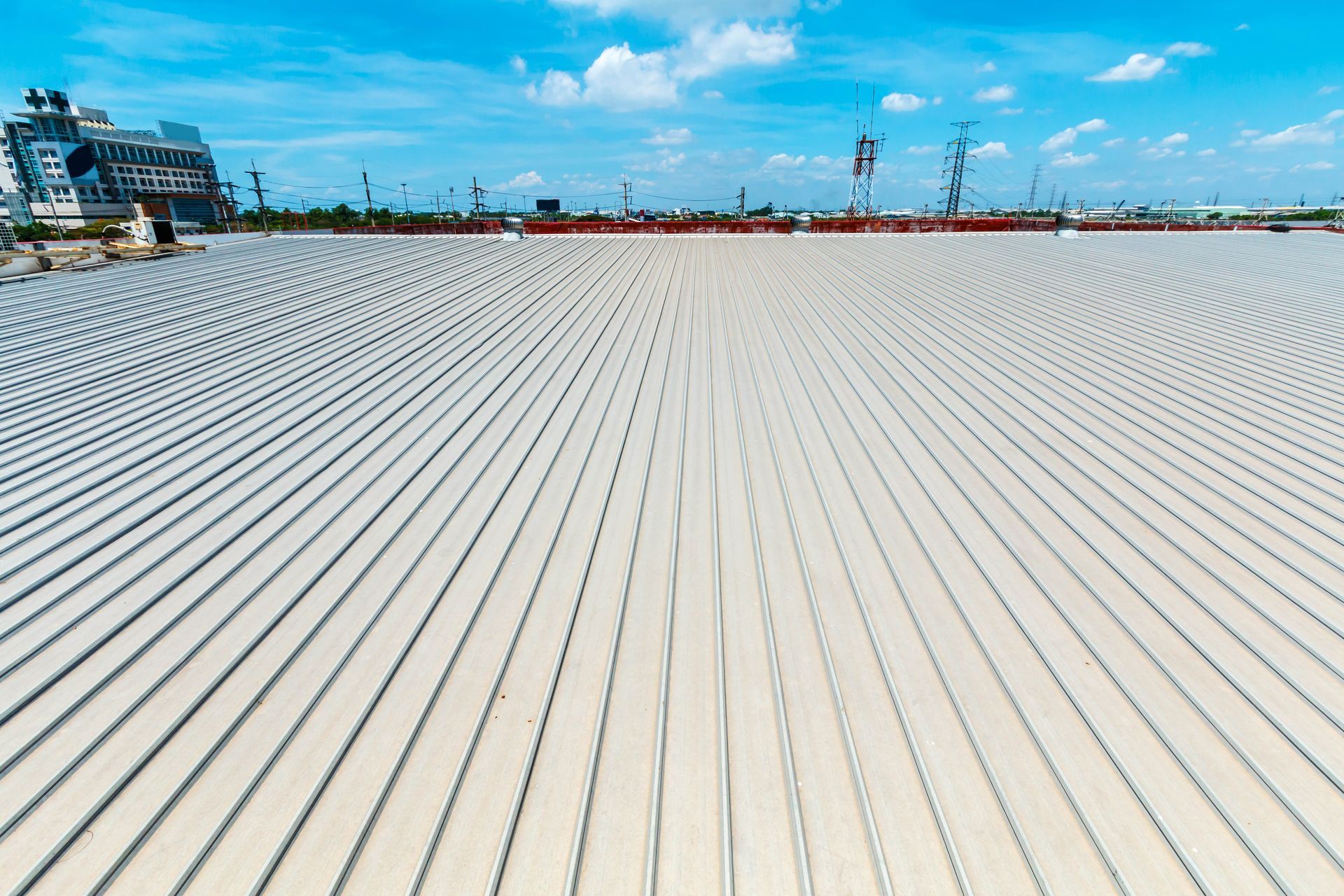
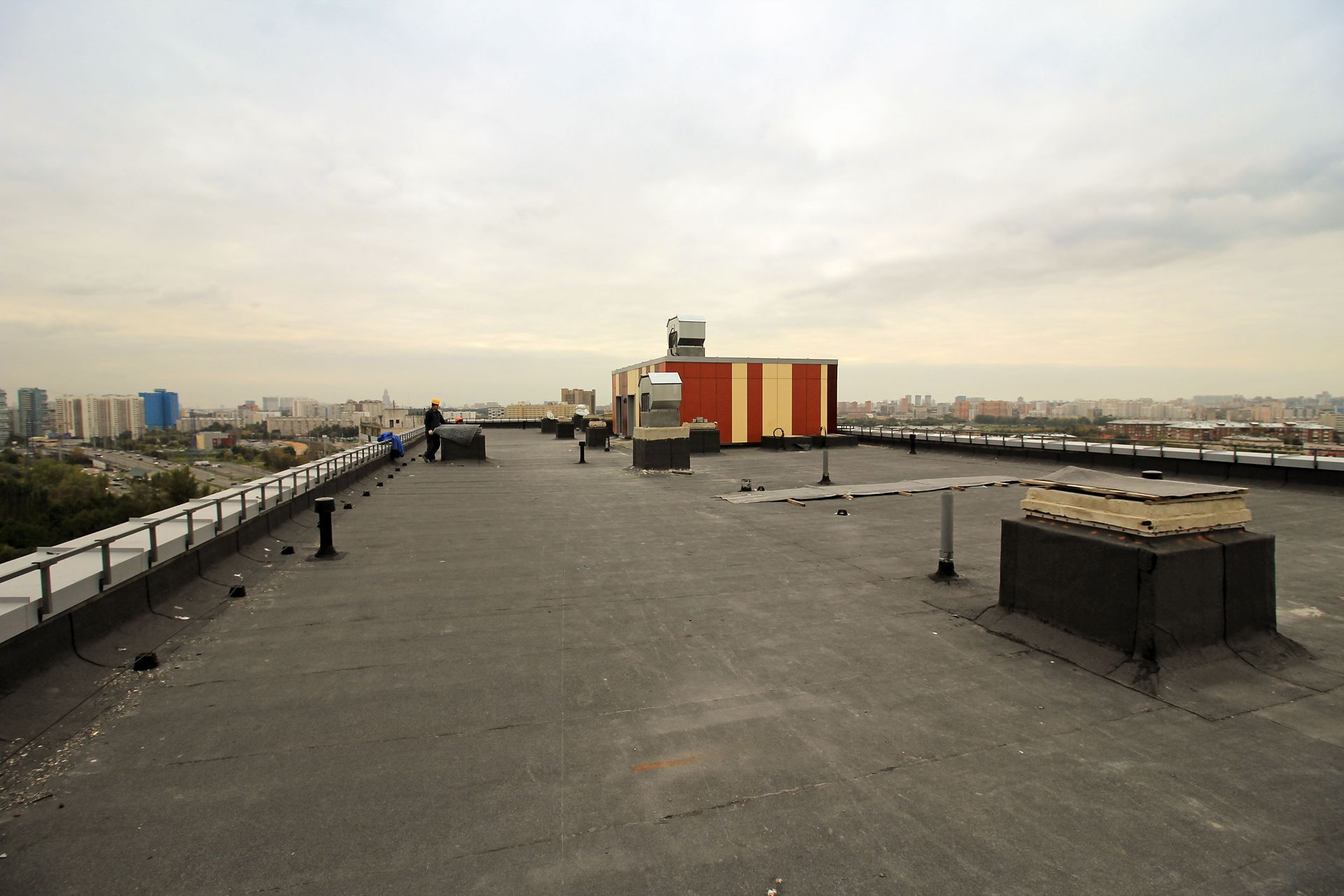
Flat roofing is a type of roofing system that is nearly level or has a very slight pitch. Flat roofs are a common choice for commercial buildings and modern residential structures. This roofing style offers a range of functional benefits, including the ability to use the roof space for various purposes, such as a terrace or garden. Unlike pitched roofs, flat roofs require a different approach for water drainage and weatherproofing, making understanding its fundamentals vital for effective maintenance. Knowing the anatomy and design considerations of flat roof systems is the first step in ensuring their longevity and effectiveness.
1.2 Common Materials Used
Various materials are used in the construction of flat roofs, each offering distinct advantages and challenges. Some common materials include modified bitumen, EPDM rubber, PVC, and TPO membranes. These materials are chosen based on factors such as climate, budget, and the intended use of the roof space. Modified bitumen, for instance, is known for its durability and ease of application, whereas EPDM is celebrated for its flexibility and resistance to UV radiation. Selecting the right material is crucial as it dictates the maintenance requirements and longevity of the roof.
1.3 Characteristics of Flat Roofs
Flat roofs are known for their minimalistic design and practicality, often complementing contemporary architectural styles. One key characteristic is the need for an efficient drainage system because flat roofs do not naturally shed water as quickly as pitched roofs. They also require robust waterproofing solutions to protect against water infiltration. Due to their visibility and accessibility, flat roofs offer unique opportunities and challenges in terms of maintenance and design customization. Understanding these characteristics helps property owners foresee potential issues and plan adequately for maintenance.
1.4 Typical Lifespan Expectations
The lifespan of a flat roof largely depends on factors such as the materials used, the installation process, and ongoing maintenance efforts. On average, a well-maintained flat roof can last anywhere from 15 to 30 years. Advances in roofing technology and materials have significantly improved the longevity of modern flat roofing systems. Regular inspections and timely repairs play a critical role in extending a flat roof's lifespan. Nearly 31% of homeowners nationwide have pursued roof renovation, repair, or maintenance projects in the last three years, according to a recent survey by This Old House, highlighting the necessity of proactive roof care.
2. Inspection and Assessment
2.1 How Often to Inspect
Regular inspection of flat roofing is an essential maintenance practice that helps identify and address potential issues early. It is recommended to inspect flat roofs at least twice a year, typically in the spring and fall. Additional inspections should follow major weather events, such as storms or high winds, to assess for any new damage. Routine inspections are fundamental in ensuring the roof's integrity and preventing costly repairs caused by unnoticed wear and tear. Establishing a consistent inspection schedule is key to effective roof management and prolonging its service life.
2.2 Common Issues
During inspections, attention should be paid to common issues such as water pooling, cracks, blisters, and debris accumulation. Water pooling can deteriorate roofing materials over time, leading to leaks and structural damage. Cracks and blisters are indicators of material degradation or poor installation practices. Organic debris like leaves and twigs can clog drainage systems, leading to water backup and pooling. Identifying these issues early through thorough inspections allows for timely interventions and preventative maintenance measures.
2.3 Tools Needed for Inspection
Conducting a thorough roof inspection requires specific tools to ensure accurate and efficient evaluation. Key tools include a flashlight, a moisture meter, binoculars for distant views, and a digital camera for documenting findings. A moisture meter measures moisture content in roofing materials, aiding in the detection of hidden leaks. Binoculars allow for the inspection of hard-to-reach areas without the need for ladders or scaffolding. These tools assist in providing a comprehensive assessment of the roof's condition, allowing for informed maintenance decisions.
2.4 Professional vs. DIY Inspection
Deciding whether to conduct a DIY inspection or hire a professional depends on the property owner's experience level and the roof's complexity. DIY inspections offer cost savings and immediate insights but require confidence and knowledge of roofing systems. Professional inspections, on the other hand, provide expert analysis and often include advanced diagnostic techniques. Pros can identify subtle issues that may be overlooked by an untrained eye, potentially saving money in the long run by preventing major repairs. Ultimately, combining DIY and professional inspections can yield the best maintenance outcomes.
3. Routine Maintenance Practices
3.1 Cleaning and Debris Removal
Maintaining a clean and debris-free flat roof is an essential practice for prolonging its lifespan. Regular cleaning involves removing leaves, branches, and other organic debris, which can hinder drainage and contribute to water damage. It's advisable to clean the roof surface at least twice a year and after significant weather events. Using a broom or leaf blower can efficiently clear away debris without damaging the roofing material. Ensuring the roof surface remains unobstructed greatly reduces the risk of water-related issues and prolongs the roof's lifespan.
3.2 Drainage System Checks
Properly functioning drainage systems are crucial for the effective management of water on flat roofs. Inspect drains, scuppers, and gutters regularly to ensure they are clear of blockages and functioning effectively. Clogged drainage systems can lead to water pooling, which can cause severe damage if not addressed promptly. Regular checks should be coupled with cleaning to maintain optimal water flow and prevent damage. Well-maintained drainage systems reduce the probability of leaks and prolong the structural integrity of the roof.
3.3 Minor Damage Repair
Attending to minor damages promptly can prevent bigger, costlier repairs down the line. Small issues like blisters, cracks, or membrane separations should be addressed as soon as they are identified during inspections. Ignoring these seemingly minor issues can lead to significant structural damage, leaks, and reduced roof lifespan. Repairing minor damages can often be managed as a DIY task with patching kits, provided the issues are correctly identified. However, for more extensive repairs, seeking professional assistance may be necessary to ensure quality and longevity.
Maintaining a flat roof requires vigilance and care, but understanding these key elements equips property owners with the knowledge needed to extend the lifespan and functionality of their roofing, ultimately protecting the investment and ensuring peace of mind. By adopting a structured approach to inspections, routine maintenance, and timely repairs, property owners can prevent the common pitfalls and costly repairs associated with flat roofs. If you have any questions or would like more information, please don't hesitate to reach out. For flat roofing services, contact B&D Architectural Metals LLC today.