May 12, 2026
Navigating the complexities of a major home improvement project requires a deep understanding of the professional processes involved in protecting your residence. A residential roof installation is one of the most significant investments a homeowner can make, serving as the primary shield against wind, rain, and temperature fluctuations. Because this structural component is vital to the integrity of the entire building, understanding the professional standards and procedural stages is essential for any property owner. This guide explores the technical aspects of the replacement process, the importance of high-quality materials, and the systematic approach taken by industry experts to ensure a lasting result. By focusing on the structural requirements and the sequence of professional events, you can better appreciate the craftsmanship required to secure your home.
Assessing the Initial Structural Requirements
The professional process begins long before the first shingle is placed on the surface of the house. Expert technicians must first conduct a thorough evaluation of the existing deck and the underlying support system to ensure it can handle the weight of new materials. This assessment involves checking for signs of wood rot, sagging rafters, or compromised structural beams that might jeopardize the success of the project. If the foundation of the roof is not sound, the new layers will eventually fail regardless of the quality of the shingles used. Ensuring a solid base is the priority in any professional roof installation to guarantee that the home remains safe and dry for the duration of the material's life cycle.
Once the assessment is complete, the team prepares the site to protect the surrounding landscape and the property itself. This preparation includes setting up specialized debris catchers and ensuring that heavy equipment is positioned safely on the driveway or lawn. The removal of the old roofing system is then performed with precision to avoid damaging the wooden sheathing underneath. Professional crews work in sections to ensure that the home is never left unnecessarily vulnerable to unexpected weather during the transition. This meticulous attention to the structural health of the building sets the stage for a successful application of the new protective layers.
Selecting the Optimal Roofing Materials
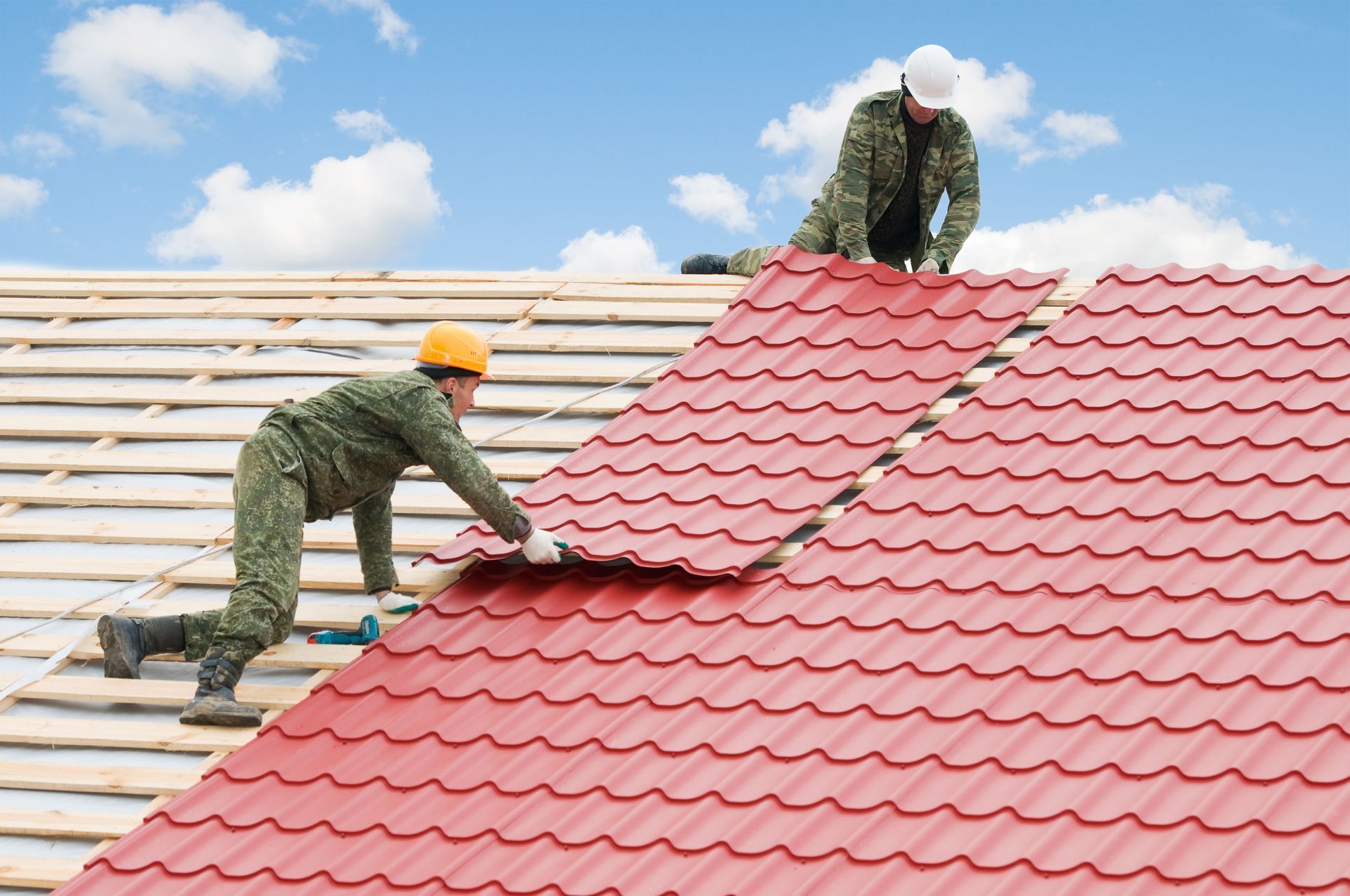
Choosing the right components is a critical step that dictates the performance and aesthetic of the finished project. There are numerous options available on the market, ranging from traditional wood shakes to modern synthetic tiles and architectural metals. The choice often depends on the local climate, the pitch of the roof, and the architectural style of the residence. According to RubyHome, asphalt shingles are the most common roofing material, used in approximately 80% of roofing projects. Their popularity stems from a combination of affordability, ease of application, and a wide variety of colors that can complement almost any home design.
Beyond the visible shingles, a comprehensive roof installation includes several invisible layers that provide critical secondary protection. High-quality underlayment acts as a final moisture barrier, while ice and water shields are applied to vulnerable areas like valleys and eaves. These components work together as a unified system to prevent leaks even in the most extreme weather conditions. Professional contractors select these materials based on their compatibility and their ability to withstand local environmental stressors. Investing in a complete system of coordinated materials ensures that every inch of the surface is fortified against potential water intrusion.
Implementing the Protective Underlayment System
After the old materials are removed and the deck is inspected, the application of the underlayment begins. This layer serves as a critical secondary defense against moisture that might seep under the primary roofing material. Modern synthetic underlayments have largely replaced traditional felt paper because they offer superior tear resistance and better protection against long-term UV exposure. The technicians roll out this material across the entire deck, overlapping the seams to create a continuous waterproof shield. This step is vital for maintaining the dry environment necessary for the wooden structure to remain healthy and free from mold growth.
Specialized flashing and edge metal are also integrated during this phase to protect the most susceptible points of the roof. Drip edges are installed along the eaves to direct water away from the fascia and into the gutter system. In areas where the roof meets a wall or a chimney, professional installers use custom-fabricated flashing to ensure a watertight seal. These metal components are essential for preventing leaks in transitions and joints where water naturally tends to accumulate. A precise roof installation relies on the careful integration of these diverse materials to create a seamless barrier against the elements.
Executing the Shingle Application Process
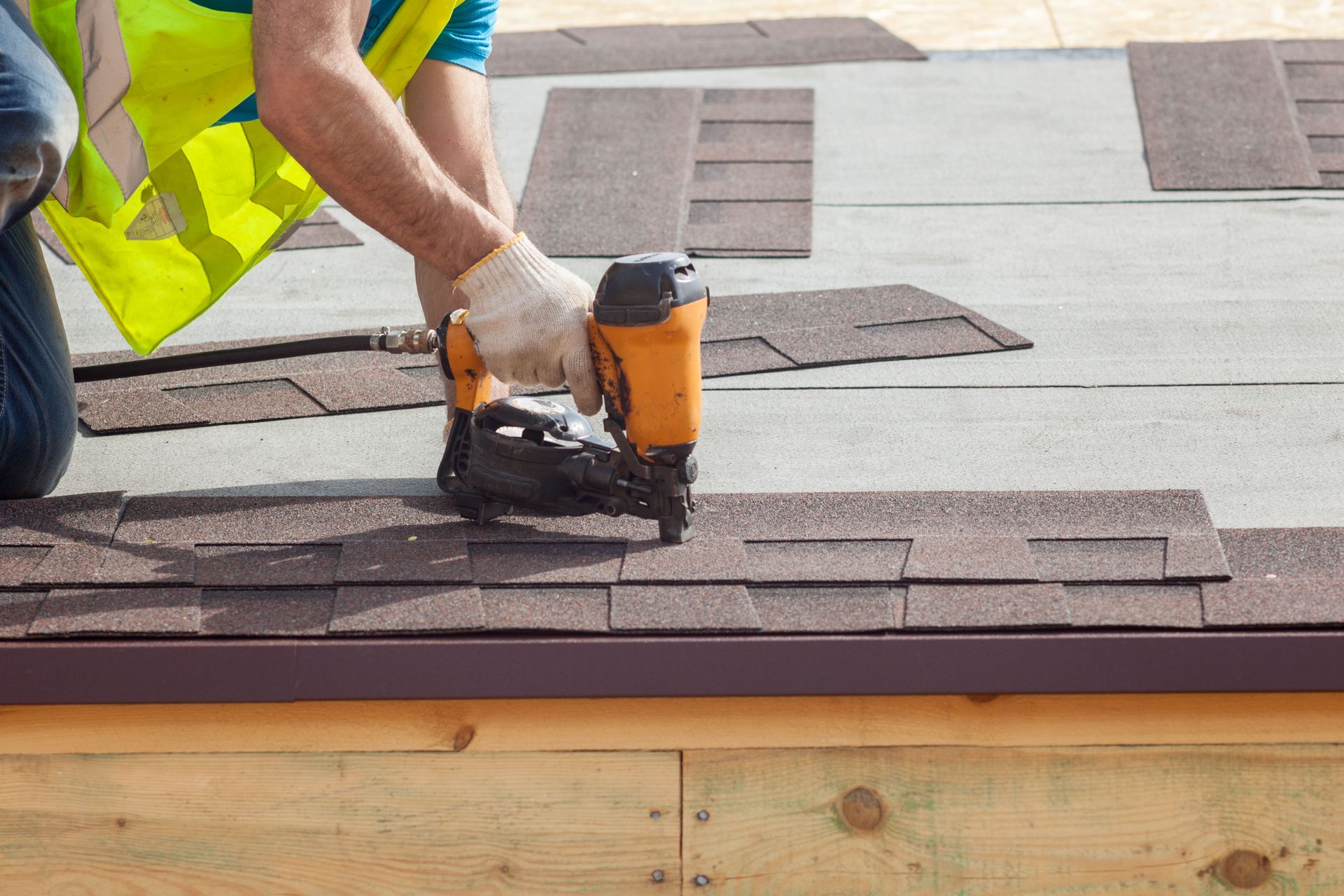
The actual laying of the shingles is a systematic process that requires a high degree of technical skill and consistency. Starting from the bottom edge and working upward, the crew fastens each piece according to the specific patterns dictated by the manufacturer. Correct nail placement is paramount, as improper fastening can lead to shingles blowing off during high winds or water seeping through nail holes. Professional installers use pneumatic tools calibrated to the exact pressure needed to seat the fasteners perfectly without damaging the material. This ensures that the primary layer is securely anchored and ready to shed water effectively.
The alignment of the rows must be perfectly straight to ensure both the functionality and the visual appeal of the home. Experienced teams use chalk lines and measuring guides to maintain a consistent overlap and exposure for every shingle. This precise layering creates the shedding effect that allows gravity to pull water down into the drainage system. During a professional roof installation, the crew also pays close attention to the hip and ridge caps, which are the final pieces that seal the peaks of the structure. These specialized shingles are designed to handle the increased wind pressure at the highest points of the house while providing a clean and finished look.
Ensuring Proper Ventilation and Drainage
A functioning roof is more than just a waterproof lid; it is a dynamic system that must breathe to prevent heat and moisture buildup. Proper ventilation involves a balance between intake vents at the eaves and exhaust vents at the ridges or on the surface. This airflow regulates the temperature of the attic space, which prevents the shingles from overheating in the summer and minimizes the risk of ice dams in the winter. Without adequate ventilation, the life expectancy of the materials can be cut short by trapped heat that bakes the shingles from the inside out. Professional contractors calculate the necessary net free vent area to ensure the home meets modern building codes and manufacturer warranties.
Effective drainage is the final piece of the puzzle that protects the foundation and the walls of the home. Gutters and downspouts must be properly sized and pitched to handle the volume of water shedding off the new surface. During the roof installation, the team ensures that the transition from the drip edge to the gutter is seamless to prevent water from backing up under the shingles. This coordination between the roof surface and the drainage system is essential for preventing basement flooding and soil erosion around the property. A holistic approach to water management ensures that the entire exterior of the building remains protected from the destructive power of runoff.
Maintaining the integrity of a residential structure requires a commitment to using the best materials and following the most stringent professional protocols. From the initial structural assessment to the final quality check, every stage of the replacement process plays a vital role in the long-term health of the building. By selecting the right materials and ensuring proper ventilation and drainage, property owners can safeguard their investment against the unpredictable forces of nature. A well-executed system not only enhances the visual character of the neighborhood but also provides the essential safety that every family deserves. For expert assistance with your upcoming project and to ensure your home is protected by the highest standards of craftsmanship, contact B&D Architectural Metals LLC.